
Practical guide
Random selection guide
Choose the right method for a name, number, date, team or partner task. Compare equal draws, visible weights, no-repeat cycles and group rotations.
What is random selection?
Random selection means choosing an outcome from a defined eligible set by chance. It can give every entry an equal chance, use declared weights, prevent repeats during a cycle or form groups. The appropriate method depends on the task and the rule you state before choosing.
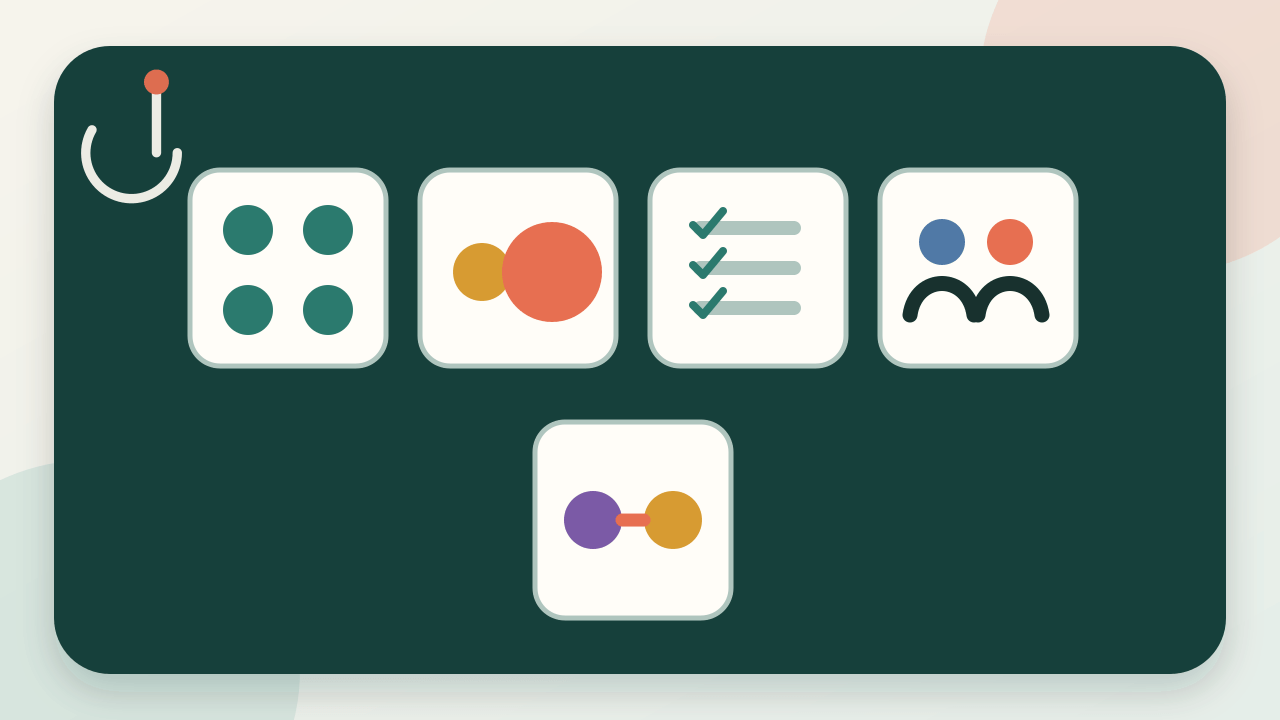
Start with the rule, not the animation
A good random selection begins by defining who or what is eligible, whether chances are equal, and whether an outcome may repeat. A wheel, list or globe can present a choice, but the visible format does not answer those questions for you.
Write the rule in one sentence before selecting. For example: “Choose one of the six present participants, with equal chance, and do not choose that person again until everybody has had a turn.”
Which selection method fits?
| Job | Use when | Decide first | ChoiceDrop route |
|---|---|---|---|
| Equal draw | Every eligible entry should have the same chance in this draw. | Eligibility, duplicate treatment and how many results are needed. | Pick names from a list, generate bounded numbers or pick a calendar date. |
| Weighted choice | Some entries intentionally need a greater relative chance. | The reason for each weight and how unequal chances will be explained. | Build a visibly weighted wheel or set two or three labelled weights. |
| No-repeat cycle | Each eligible entry should appear once before the pool resets. | What happens when the list changes and when a new cycle begins. | Run a saved name cycle or build a country tour. |
| Random or constrained teams | People need to be divided into several groups for one activity. | Required team sizes and whether ratings, leaders or locked placements are justified. | Create random groups or constrained teams. |
| Partner rotation | People should meet different partners across several rounds. | Whether a complete round robin is practical and how byes will work. | Randomly pair people or generate a repeat-free partner schedule. |
A five-point pre-draw check
- Purpose: state the ordinary, low-stakes job the result will serve.
- Eligibility: confirm the final list, exclusions and duplicate handling before drawing.
- Chance: choose equal or weighted selection and make unequal weights visible.
- Repetition: decide whether an entry can return immediately, only after a cycle, or never within one result.
- Record: decide whether the result needs copying, exporting or no retention at all.
Worked classroom example
A facilitator has 12 present participants and wants three discussion groups for one session. Attendance, not the full register, defines eligibility. Four people per group is possible, so ordinary random groups are enough. If the facilitator adds approximate confidence ratings, the process becomes constrained rather than purely random and that limitation should be explained to the group.
For recurring pairs across several sessions, the job changes: a round-robin partner schedule is more appropriate because it can prevent pair repeats across a complete cycle.
Worked weighted example
A team keeps three optional warm-up activities. Stretch has weight 2; Walk and Balance each have weight 1. Stretch therefore has half of the total weight, while each other option has one quarter. This does not promise a 2–1–1 pattern in four spins; it describes the chance on every eligible spin.
When random selection is the wrong method
Do not randomise a decision when relevant needs, consent, qualifications, safeguarding, accessibility, safety or material consequences should decide the outcome. A random tool cannot discover those facts. ChoiceDrop is for everyday, educational, recreational and informal organisational use, not gambling, regulated lotteries, legal drawings or other audited selection.
Privacy and a simple audit trail
Lists and results in ChoiceDrop are processed on the device. If an ordinary group needs a record, note the eligibility rule, settings and exported result without adding unnecessary personal data. For a transparent live draw, read the rule aloud before selecting and show any exclusions or weights.
This guide explains method choices; it does not certify a draw or guarantee that a group will view the process as fair.